carburizing hardening process
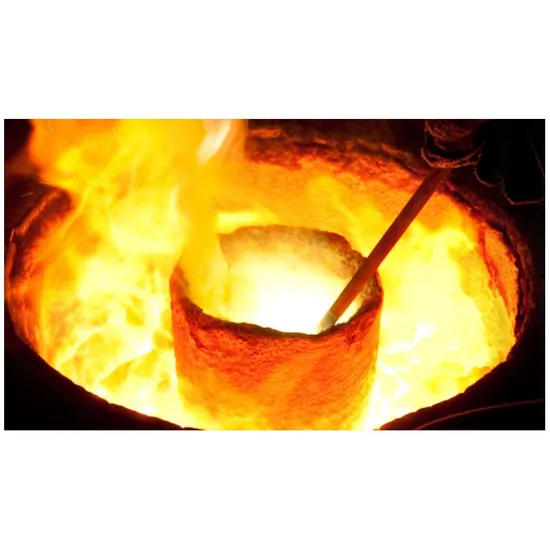
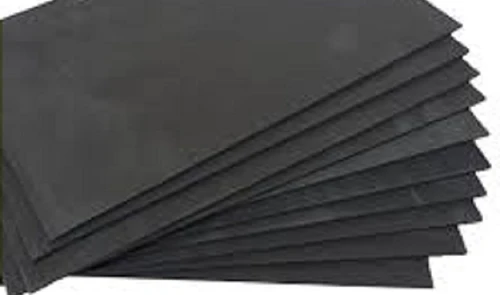
Understanding the carburizing meaning : A Core Heat Treatment Process In the realm of metallurgy and materials science, the carburizing meaning refers to a thermochemical heat treatment process that diffuses carbon into the surface of a low-carbon steel component, thereby increasing its surface hardness and wear resistance while maintaining a tough, ductile core. This process is critical for enhancing the performance and extending the service life of various mechanical parts that are subjected to significant surface wear, impact, and fatigue during operation. It's a cornerstone in manufacturing industries requiring durable, high-performance components. The primary objective of carburizing is to create a high-carbon surface layer, or case, on low-carbon steel. This case, when subsequently quenched and tempered, transforms into hard martensite, providing exceptional wear resistance. The unaffected core retains its original low-carbon microstructure, offering excellent toughness and resistance to shock loads. This dual-property profile makes carburized components ideal for applications demanding both surface hardness and core strength. The Carburizing Heat Treatment Process: Detailed Flow The carburizing heat treatment process is a multi-step operation that requires precise control of temperature, atmosphere, and time. This intricate process is vital for achieving the desired case depth and carbon profile, directly impacting the final component's performance. Here’s a breakdown of the typical process flow: Process Steps: Component Preparation: Low-carbon steel parts (e.g., AISI 1018, 8620, 9310) manufactured through casting, forging, or CNC machining are cleaned thoroughly to remove any surface contaminants like oil, grease, or scale. This ensures uniform carbon absorption. Critical areas not requiring hardening might be masked (e.g., copper plating). Heating to Carburizing Temperature: Parts are loaded into a carburizing furnace (batch or continuous) and heated to a temperature typically between 850°C and 980°C (1560°F - 1800°F). This temperature range is crucial because it ensures the steel is in the austenitic phase, which has a higher solubility for carbon. Carbon Diffusion (Soaking): A carbon-rich atmosphere is introduced into the furnace. This atmosphere can be gas (e.g., natural gas, propane, methanol), liquid (e.g., salt bath), or solid (e.g., charcoal, graphite). For modern industrial applications, gas carburizing using endothermic gas with methane or propane enrichment is common. The carbon atoms diffuse from the atmosphere into the steel surface. The depth of carbon penetration (case depth) is controlled by temperature and holding time. Diffusion Cycle: After the carburizing stage, a diffusion cycle may be employed where the carbon potential of the furnace atmosphere is lowered, and the temperature is maintained. This allows the carbon to penetrate deeper into the case, reducing the carbon concentration gradient between the surface and the core, leading to a more gradual hardness transition. Cooling and Quenching: Once the desired case depth and carbon profile are achieved, the parts are rapidly cooled. Often, they are directly quenched from the carburizing temperature or after a short cooling period. Quenching mediums include oil, polymer solutions, or salt baths, selected based on the steel type and desired distortion control. This rapid cooling transforms the high-carbon surface austenite into hard martensite. Tempering: Quenched parts are extremely hard and brittle. Tempering involves reheating the parts to a lower temperature (typically 150°C - 200°C) for a specific duration, followed by air cooling. This process reduces brittleness, relieves internal stresses, and improves toughness while maintaining sufficient hardness. Post-Treatment & Finishing: This may include cleaning, shot peening (for improved fatigue resistance), grinding, or other finishing operations to achieve final dimensional and surface quality requirements. Throughout this process, stringent testing standards such as ISO 9001, ASTM E384 (microhardness testing), and metallographic examination (case depth measurement, microstructure analysis) are applied to ensure consistency and quality. The service life of such treated components can be significantly extended, often by 200-500%, compared to untreated parts, especially in abrasive or high-contact stress environments. Key Technical Parameters and Specifications Achieving optimal results in the carburizing heat treatment process hinges on precise control over several critical technical parameters. These parameters dictate the microstructure, hardness profile, and ultimate performance of the carburized component. Typical Carburizing Process Parameters Parameter Description Typical Range / Value Carburizing Temperature Temperature at which carbon diffusion occurs. 850°C – 980°C (1560°F – 1800°F) Soaking Time Duration at carburizing temperature for carbon penetration. 1 – 20 hours (dependent on case depth) Carbon Potential (Cp) Measure of carbon availability in the furnace atmosphere. 0.8% – 1.2% (at the surface) Case Depth Depth of the hardened layer from the surface. Effective case depth (ECD) is often defined as the depth to 50 HRC. 0.2 mm – 3.0 mm (0.008” – 0.12”) Surface Hardness Hardness of the outermost layer after quenching and tempering. 58 HRC – 64 HRC Core Hardness Hardness of the central, uncarburized material. 30 HRC – 45 HRC (dependent on core steel) Quenching Medium Fluid used for rapid cooling. Oil, Polymer, Salt Bath, Gas Industry Trends in Carburizing The field of carburising heat treatment process is continuously evolving, driven by demands for higher efficiency, environmental sustainability, and superior material performance. Key trends influencing modern carburizing practices include: Low-Pressure Vacuum Carburizing (LPC): This advanced technique uses acetylene or propane at very low pressures. It offers significant advantages such as reduced distortion, improved case uniformity, elimination of intergranular oxidation (IGO), and environmental benefits due to less atmosphere consumption. LPC is increasingly preferred for precision components, leading to a projected market growth rate of 7.5% CAGR for vacuum heat treatment furnaces by 2028. Plasma Carburizing (Ion Carburizing): Utilizing a glow discharge to ionize a carbon-rich gas, plasma carburizing provides precise control over the carbon profile, allowing for tailored case depths and surface hardness. It's particularly effective for complex geometries and offers energy savings compared to conventional gas carburizing. Enhanced Process Control and Automation: Integration of advanced sensors, real-time atmosphere analysis (e.g., oxygen probes, CO/CO2 analyzers), and AI-driven control systems are optimizing carburizing cycles. This leads to higher repeatability, reduced human error, and improved energy efficiency, often reducing processing times by 10-15%. Eco-Friendly Carburizing Agents: There is a growing emphasis on developing and utilizing carburizing agents that are less hazardous, produce fewer emissions, and are derived from sustainable sources. Companies like NL Graphite are focusing on high-purity, environmentally responsible carburizing agents, such as their China Carburizing Agents for Carburizing & Deoxidizing, which contribute to cleaner operations and better metallurgical control. Simulation and Modeling: Advanced computational tools are used to simulate carbon diffusion and phase transformations, allowing engineers to predict case depth, hardness profiles, and potential distortion before physical trials. This significantly reduces development time and material waste. Applications and Target Industries The versatility and enhanced mechanical properties imparted by the carburising heat treatment process make it indispensable across a multitude of industries. Components requiring a hard, wear-resistant surface and a tough, fracture-resistant core are prime candidates for carburizing. Key Target Industries and Applications: Automotive and Transportation: Gears (spur, helical, bevel), camshafts, crankshafts, pinions, bearings, and transmission components. Carburized parts are essential for the longevity and reliability of drivetrains. Aerospace: Landing gear components, gear shafts, and high-stress engine parts. Precision carburizing ensures the extreme reliability required in aerospace applications, where component failure is not an option. Heavy Machinery & Construction: Excavator teeth, heavy-duty gears, pins, bushings, and rollers for construction equipment. These parts operate under severe abrasive and impact conditions. Oil & Gas: Downhole drilling tools, pump components, and valve parts that must withstand abrasive fluids and high pressures. Enhanced corrosion resistance can also be achieved through specific post-carburizing treatments. Power Generation: Gearboxes for wind turbines, steam turbine components, and general power transmission parts. The robust nature of carburized steels ensures long operational cycles. Agriculture: Plowshares, tractor gears, and other implements that experience significant wear in harsh outdoor environments. Mining: Conveyor components, grinding mill gears, and rock-crushing equipment, where resistance to abrasion and impact is paramount. In these scenarios, the advantages of carburizing, such as significant improvement in wear resistance, increased fatigue strength (up to 30-50% in some cases), and enhanced resistance to pitting and spalling, directly translate into energy saving through reduced friction and extended component service life, minimizing downtime and maintenance costs. Technical Advantages of Modern Carburizing Modern carburizing techniques offer compelling technical advantages that make them a preferred choice for enhancing critical components. These benefits go beyond simple surface hardening, contributing to overall system reliability and efficiency. Superior Wear Resistance: The high carbon content on the surface transforms into hard martensite after quenching, providing an extremely durable outer layer that resists abrasive wear, sliding wear, and erosion. This extends component life significantly in high-friction environments. Enhanced Fatigue Strength: The compressive residual stresses induced in the carburized case, combined with the hard surface, greatly improve the fatigue limit of the material. This is crucial for components subjected to cyclic loading, preventing crack initiation and propagation. Fatigue life can be improved by up to 200%. High Core Toughness: Unlike through-hardening, carburizing maintains the low-carbon core in a tough, ductile state. This provides excellent resistance to shock loads and impact, preventing brittle fracture of the component under severe operating conditions. Pitting and Spalling Resistance: For gears and bearings, the hard and strong carburized surface significantly improves resistance to pitting (surface fatigue failure) and spalling, ensuring smoother operation and extended service intervals. Versatility with Material Selection: Carburizing allows the use of economical low-carbon alloy steels, which are easier to machine and form. This provides cost advantages compared to using expensive high-alloy steels that are inherently hard throughout. Precision Case Depth Control: Advanced control systems in modern furnaces enable precise control over the case depth and carbon profile, allowing engineers to tailor the treatment to specific application requirements and optimize component performance. Reduced Distortion (with advanced methods): Techniques like Low-Pressure Carburizing (LPC) and precise quench parameter control minimize distortion, leading to less post-heat treatment grinding and machining, thereby saving time and cost. China Carburizing Agents for Carburizing & Deoxidizing: Product Specifications For effective carburising heat treatment process , the choice of carburizing agent is paramount. NL Graphite's China Carburizing Agents are engineered for superior performance in both carburizing and deoxidizing applications, offering consistent quality and efficiency. These agents are critical for achieving desired carbon potential and ensuring a clean metallurgical process. Product Specifications: China Carburizing Agents for Carburizing & Deoxidizing Characteristic Typical Value / Range Benefit to Carburizing Process Carbon Content > 98.5% High purity ensures maximum carbon availability for diffusion, consistent case depth. Sulfur Content < 0.05% Low sulfur prevents embrittlement of steel and undesirable inclusions. Nitrogen Content < 300 ppm Minimized nitrogen ensures controlled carbon diffusion without nitriding effects unless desired. Volatile Matter < 1.0% Low volatile content reduces smoke and improves furnace atmosphere stability. Ash Content < 0.5% Minimal ash residue ensures cleaner furnace operation and reduced contamination. Grain Size Customizable (e.g., 0.5-3mm, 1-5mm) Optimized for various furnace types and material handling systems for efficient carbon delivery. Formulation Graphite-based / Carbonaceous Provides stable and reactive carbon source for diffusion, also acts as an effective deoxidizer. These agents are manufactured under strict quality control, adhering to international standards to ensure optimal performance for high-temperature applications. Their dual functionality in carburizing and deoxidizing provides an efficient and cost-effective solution for improving steel properties in metallurgical processes. Vendor Comparison and Customized Solutions Choosing the right vendor for carburizing agents is crucial for consistent quality and process efficiency. While many suppliers offer general carbon sources, specialized providers like NL Graphite distinguish themselves through product purity, consistency, and the ability to offer customized solutions. A key aspect in this comparison is not just the initial cost, but the overall value derived from consistent metallurgical results and reduced operational issues. Comparison Factors for Carburizing Agent Vendors: Carburizing Agent Vendor Comparison Feature Typical Commodity Supplier NL Graphite (Specialized) Carbon Purity 90-95% >98.5% (High Purity) Trace Elements (S, N, Ash) Variable, potentially higher Consistently low, tightly controlled Particle Size Consistency Moderate variability High consistency, customizable Technical Support Limited standard support Extensive, metallurgical expertise Customization Options Minimal Tailored formulations, sizes, packaging Quality Certifications Basic, if any ISO 9001 certified manufacturing Customized Solutions: Recognizing that each manufacturing process has unique requirements, NL Graphite offers customized carburizing agent solutions. This includes: Tailored Particle Size Distribution: To optimize flow properties and reactivity for specific furnace designs (e.g., rotary hearth, batch retort, fluidized bed). Specific Reactivity Profiles: Adjusting the morphology or slight chemical variations to achieve a desired carbon transfer rate, especially critical for advanced plasma or vacuum carburizing. Purity Optimization: For ultra-sensitive applications, further reducing trace elements to prevent any metallurgical inconsistencies. Specialized Packaging: From bulk bags for high-volume operations to smaller, moisture-resistant container111s for precise applications. Real-world Application Case Studies Case Study 1: Automotive Gear Manufacturing A major automotive Tier 1 supplier faced challenges with inconsistent case depth and unacceptable levels of distortion in their differential gears, impacting final assembly and increasing grinding costs. After switching to a customized formulation of NL Graphite's carburizing agents for their continuous gas carburising heat treatment process : Challenge: Inconsistent effective case depth (ECD) and increased post-heat treatment grinding due to distortion. Solution: Implementation of NL Graphite's high-purity, low-volatile carburizing agent with a tightly controlled particle size distribution, optimized for their specific furnace. Results: Achieved a 15% reduction in case depth variation, a 10% decrease in distortion requiring post-grinding, and a 7% increase in overall throughput. Customer feedback highlighted improved consistency and reduced operational costs. Case Study 2: Heavy-Duty Industrial Bearings A manufacturer of large industrial bearings for mining equipment sought to extend the fatigue life of their components, which operated under extreme loads and abrasive conditions. Their existing carburizing process yielded satisfactory hardness but lacked optimal fatigue resistance. Challenge: Maximizing the fatigue strength and service life of large-bore bearings in harsh environments. Solution: NL Graphite collaborated with the client to develop a carburizing process utilizing their agents, focusing on achieving a specific carbon gradient and higher compressive residual stresses at the surface. Results: Fatigue life, as measured by rolling contact fatigue (RCF) tests, improved by an average of 35%. The client reported a significant reduction in in-field failures and an enhanced reputation for product durability. This demonstrates the impact of a well-controlled carburising heat treatment process on critical component reliability. Ensuring Quality and Authoritativeness Authoritativeness in the heat treatment and materials industry is built upon rigorous standards, extensive experience, and verifiable results. NL Graphite is committed to upholding the highest levels of quality and trust for its products and services. Certifications and Standards: ISO 9001:2015 Certified: Our manufacturing facilities and quality management systems adhere to international standards for quality assurance, ensuring consistent product performance. Compliance with Industry Norms: Our carburizing agents are produced to meet or exceed relevant industry standards for material purity and composition, ensuring compatibility with a wide range of ferrous alloys. Rigorous Internal Testing: Each batch of carburizing agent undergoes comprehensive laboratory analysis, including elemental composition (carbon, sulfur, nitrogen), ash content, volatile matter, and particle size distribution. Experience and Partnerships: With over 15 years in the graphite and carbon products industry, NL Graphite has established itself as a reliable partner for leading manufacturers globally. Our client portfolio includes companies in automotive, aerospace, heavy machinery, and metallurgy sectors across North America, Europe, and Asia. We pride ourselves on long-term relationships built on mutual trust and technical collaboration, demonstrating deep expertise in the carburizing meaning and its practical applications. Trustworthiness: FAQ, Lead Time, Warranty, and Support Frequently Asked Questions (FAQ): Q: What types of carburizing agents does NL Graphite offer? A: We offer various graphite-based and carbonaceous carburizing agents, primarily our China Carburizing Agents for Carburizing & Deoxidizing, suitable for gas, solid, and vacuum carburizing applications. Custom formulations are available. Q: How do your agents contribute to deoxidizing? A: Our agents, particularly the high-purity graphite variants, act as powerful deoxidizers in molten metal applications, reducing oxygen content and preventing unwanted inclusions, leading to cleaner and stronger castings. Q: Can your carburizing agents be used in vacuum carburizing? A: Yes, our high-purity, low-volatile agents are well-suited for vacuum carburizing processes, offering a controlled and efficient carbon source. Q: What is the typical shelf life of your carburizing agents? A: When stored in original, sealed packaging in a cool, dry environment, our agents maintain their properties for typically 24 months. Lead Time & Fulfillment: We maintain robust inventory levels and efficient production schedules to ensure timely delivery. Standard orders typically have a lead time of 2-4 weeks. For urgent requirements or large-volume contracts, we recommend direct consultation with our sales team to arrange expedited shipping and production. Our global logistics network ensures reliable delivery to various international destinations. Warranty Commitments: NL Graphite warrants that its carburizing agents will meet the published specifications and be free from material defects at the time of shipment. In the event of any non-conformance, we are committed to promptly addressing concerns, including replacement or credit, in accordance with our standard terms and conditions. Our commitment to quality ensures reliability for every batch. Customer Support: Our dedicated technical support team comprises experienced metallurgists and materials scientists ready to assist with product selection, process optimization, and troubleshooting. We provide comprehensive pre-sales consultation and post-sales support to ensure seamless integration of our products into your manufacturing processes. Contact us via our website at nlgraphite.com or directly through our sales and support channels for expert assistance. Conclusion The carburizing meaning extends beyond a simple definition; it represents a sophisticated and essential heat treatment process that fundamentally transforms the performance characteristics of low-carbon steel components. From enhancing wear and fatigue resistance to ensuring core toughness, carburizing remains a critical technology across diverse heavy industries. With advancements in process control, the emergence of eco-friendly agents like those from NL Graphite, and innovative techniques such as vacuum and plasma carburizing, the future of this vital metallurgical process is geared towards even greater precision, efficiency, and sustainability. For manufacturers demanding peak performance and reliability from their components, understanding and leveraging the full potential of modern carburizing is not merely an advantage—it is a necessity. References ASM Handbook, Vol. 4: Heat Treating, ASM International, 1991. D. Scott, "Carburizing: Processing and Performance," Woodhead Publishing, 2012. G. Krauss, "Steels: Processing, Structure, and Performance," ASM International, 2015. H. Mittemeijer, "Fundamentals of Materials Science: The Science of Alloys," Springer, 2017.